
Safe and Sustainable Pressure Washing Practices for Modern Homes
Key Takeaways
- Soft washing is safer for many surfaces and avoids damage.
- Biodegradable cleaning solutions are better for the environment.
- Water conservation techniques reduce environmental impact and waste.
- Regular, gentle maintenance prevents extensive repairs and supports sustainability.
Maintaining the exterior of your home is crucial for keeping it attractive and structurally sound. Many homeowners turn to pressure washing as an efficient way to remove dirt, algae, and other buildup from siding, concrete, and patios. While traditional techniques may seem effective, it is important to consider the impact on both the home’s materials and the environment. Modern homeowners are increasingly embracing safe, sustainable methods for thorough cleaning that do not compromise safety or ecological responsibility.
Conventional high-pressure cleaning can sometimes erode surfaces and send harmful chemicals into surrounding soil or water sources. Fortunately, there are now greener alternatives that prioritize gentle care and sustainability. By being mindful in your approach, you can maintain your home’s appearance for years to come and contribute to a healthier environment.
As you consider upgrades to your home’s cleaning routine, it is wise to adopt proven practices that not only benefit your home but also reduce your ecological footprint. For larger tasks that go beyond the basics, services specializing in exterior cleaning can deliver deeper results while adhering to eco-friendly standards.
Understanding Soft Washing Techniques
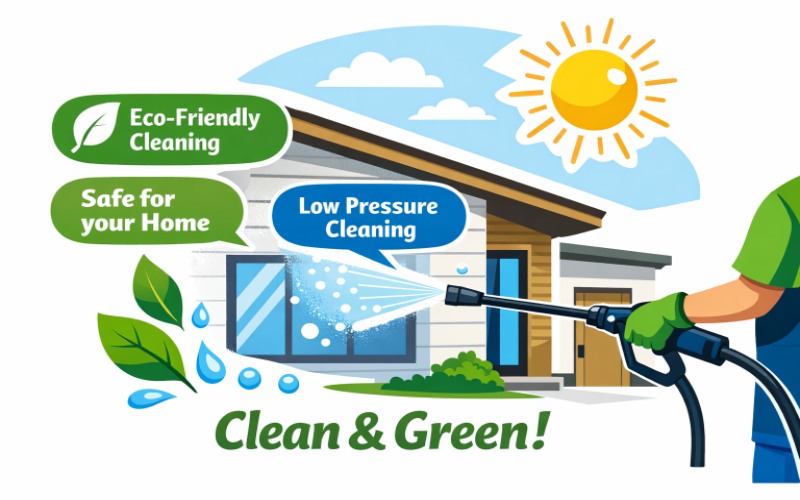
Soft washing has become the preferred method for cleaning delicate or painted surfaces such as vinyl, wood, or stucco. Unlike high-pressure washing, this approach uses low-pressure water and environmentally safe detergents to lift away grime gently. Soft washing is particularly useful for removing mold, algae, and organic stains without forcing water behind siding or damaging exterior materials. According to the U.S. Department of Energy, using softer methods can extend the life of your exterior surfaces while producing less runoff and pollution.
Homeowners often worry that lower pressure will sacrifice cleaning power, but the use of specifically formulated detergents makes soft washing just as effective for most jobs. The key is to allow these cleaners adequate dwell time to break down organic and inorganic contaminants before thoroughly rinsing with water. This targeted approach is highly effective for sensitive areas, including roofing, which can be damaged or void warranties if improperly cleaned using high-pressure tools.
It is also worth noting that professional cleaning companies now use specialized equipment to regulate water pressure and cleaning solution ratios precisely. This customization helps protect your surfaces while maximizing cleaning effectiveness, allowing each area of your home to receive the treatment that best suits its unique needs.
Choosing Eco-Friendly Cleaning Solutions
Sustainability starts with the right cleaning solutions. Many standard detergents and bleaches contain phosphates, which are harmful to aquatic life and can persist in the soil. Biodegradable, non-toxic products break down more easily, reducing these negative impacts. Look for products labeled “plant-based” or “EPA Safer Choice” to ensure you are using gentler options that fully clean surfaces and keep your landscaping, pets, and family safe. More guidance on selecting and using safe cleaning chemicals can be found on the Environmental Protection Agency website.
Switching to eco-friendly cleaning agents mitigates the risks to groundwater and local flora and fauna. Some common alternatives include oxygen bleach (which decomposes into natural elements), citrus- or enzyme-based cleaners, and products derived from coconut or corn oil. Not only do these solutions clean effectively, but they also help protect biodiversity and maintain healthy ecosystems in your community. To further ensure safety, always store chemicals as directed and prevent runoff from reaching storm drains or water bodies.
Water Conservation Methods
Responsible pressure washing should also focus on minimizing water use. Using a modern, water-efficient pressure washer can dramatically decrease consumption while still achieving a thorough clean. Additional methods include capturing and reusing water runoff and only washing on days when rain is not imminent to prevent detergents from draining into nearby sewers or landscapes. Covering nearby plants before starting and avoiding over-spraying will further reduce wasted water and protect your property.
Furthermore, consider sweeping driveways and patios to remove large debris before pressure washing, rather than relying solely on water jets. Some advanced systems use automatic shutoff valves and low-flow nozzles to conserve water without sacrificing cleaning results. Monitoring local water-use regulations and ordinances is another important step, as drought-prone regions may have restrictions on pressure washing during certain times of year. Prioritize maintenance after pollen seasons or heavy storms when buildup is at its peak to make the most efficient use of each wash.
Regular Maintenance for Long-Term Sustainability
Adopting routine exterior maintenance helps address dirt and grime before they become stubborn or hazardous. Cleaning surfaces such as siding, sidewalks, and patios every few months prevents deep staining and organic growth that can damage materials or require harsh chemicals for removal. By investing in regular, gentle cleanings, you reduce the likelihood of premature repairs, extend the lifespan of your home’s exterior, and promote lasting sustainability for your home and the broader environment.
Establishing a seasonal cleaning checklist for your home is a practical way to stay on top of maintenance. Focus on trouble spots where mold, algae, or lichen are more likely to take hold, such as shaded areas, roof valleys, and north-facing walls. Keeping gutters and downspouts free of debris also lessens the risk of water-related damage and staining. Involving your family in maintaining outdoor spaces not only boosts curb appeal but also instills long-term habits that support sustainability and eco-friendly living for future generations.
For many homeowners, documenting when each cleaning occurs and assessing the effectiveness of products and techniques will help fine-tune their approach over time. This reflection can identify which methods work best for your property and lead to even safer, more efficient maintenance routines going forward.
Conclusion
Safe and sustainable pressure washing is not only achievable but essential for the modern homeowner who cares about both durability and environmental stewardship. By opting for soft washing, eco-friendly cleaners, mindful water use, and regular maintenance, you create a cleaner, longer-lasting, and more sustainable home. These practices are vital for preserving the beauty of your property and for ensuring you are doing your part to protect the local ecosystem.