How Weather Shifts Change Pest Activity: Texas Homeowner Checklist
Key Takeaways
- Heat, rain, humidity, and cold snaps can alter pest movement and shelter-seeking behavior.
- Moisture, food debris, clutter, and exterior gaps often determine whether pests stay around a property.
- Seasonal checks and post-storm inspections can reveal issues before activity spreads indoors.
- Repeated sightings, damage, droppings, nests, or insect trails deserve closer attention.
Texas weather can change quickly, from prolonged heat and dry soil to heavy rain, cool nights, and humid conditions. Those shifts can change where pests look for water, food, shelter, and nesting space. For homeowners, the most useful response is not guessing which pest will appear next. It is making the property less welcoming before a small issue becomes a larger one. For homeowners in Dallas-Fort Worth, Houston, Austin, San Antonio, and nearby Texas communities, Romney Pest Control offers pest management information and services for common local concerns, including insects, rodents, and termites, to help when weather-related activity keeps returning around a home. A focus on local Texas service areas makes professional references useful when planning a seasonal response.
Why Weather Changes Affect Pest Activity
Weather does not cause every pest problem, but it can change pest behavior. Warm periods can support more movement and foraging by insects. Heavy rain can saturate soil, flood outdoor hiding places, and leave water-filled containers behind. Drought and extreme heat can make shaded, damp spaces near foundations, irrigation lines, air-conditioning equipment, and indoor plumbing more attractive. Homes add another layer to the problem. Cracks, unscreened vents, loose door sweeps, accessible trash, pet food, and plumbing leaks can provide pests with what they need when outdoor conditions become less favorable. The U.S. Environmental Protection Agency recommends an approach that reduces access to food, water, and shelter rather than relying only on pesticide applications.
How Pest Patterns Shift Through The Seasons
Spring
Rising temperatures and rain can bring more visible ant activity, flies, mosquitoes, and termite swarmers. Clear leaves from gutters, correct drainage near the foundation, trim vegetation away from siding, and inspect screens, rooflines, windows, and plumbing penetrations.
Summer
Texas heat can make water and shade especially important to mosquitoes, cockroaches, ants, spiders, wasps, and other pests. Check outdoor faucets, pet bowls, grills, trash bins, and irrigation areas. Mosquitoes use water for their early life stages, so the CDC advises homeowners to empty, scrub, cover, turn over, or discard items that collect standing water each week.
Fall
As nights cool, rodents and insects may seek more stable indoor conditions. Replace worn weatherstripping, seal openings around utility lines, inspect garage seals, and examine firewood, storage bins, and patio furniture before moving them indoors.
Winter
Winter can slow some outdoor activities, but it does not make a Texas home pest-proof. Heated wall voids, attics, garages, crawl spaces, and storage areas can still provide food, warmth, or shelter. Continue watching for moisture and entry points year-round.
Why Texas Homes May See Activity For Longer
Long warm periods and mild winter stretches can leave less of a seasonal break between pest concerns in many parts of Texas. Conditions also vary by neighborhood. A shaded, wooded lot near Dallas-Fort Worth may face different pressures than a humid Houston yard, an Austin property with dense vegetation, or a San Antonio home after a sudden dry spell or storm. Pay attention to timing. Ants may appear indoors in search of moisture during intense heat. After rain, insects or rodents may move from disturbed nesting areas toward garages, gaps in walls, or covered patios. A brief record of where activity occurs and what weather preceded it can make patterns easier to spot.
A Practical Homeowner Inspection Checklist
- Walk the foundation and look for cracks, gaps, mud tubes, insect trails, or moisture.
- Check door sweeps, window screens, garage seals, attic vents, and utility openings.
- Clear gutters and ensure downspouts direct water away from the house.
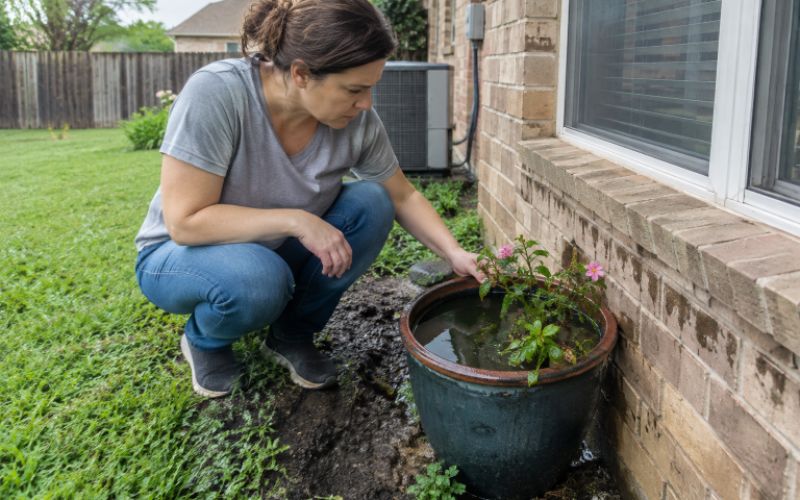
- Empty standing water from pots, toys, tires, birdbaths, and low yard areas.
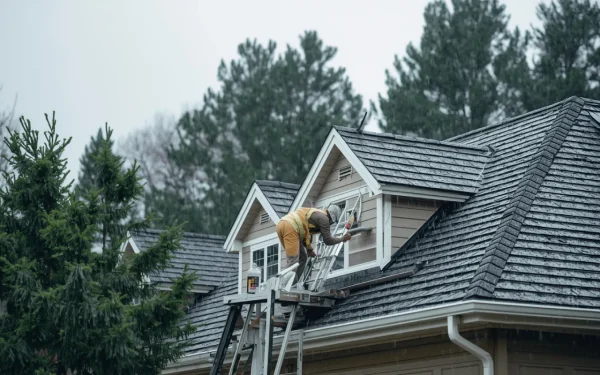
- Trim branches and shrubs that touch exterior walls or the roof.
- Store pantry food in sealed containers and clean spills promptly.
- Inspect sheds, attics, garages, and crawl spaces for wings, nests, droppings, or gnawing.
Outdoor Changes That Help Keep Pests Away
Reduce Moisture
Repair leaking faucets and hoses, keep gutters clear, and avoid allowing water to pool close to the foundation.
Limit Shelter
Keep firewood elevated and away from exterior walls. Remove leaf piles, grass clippings, dense mulch, and damp clutter from the immediate perimeter.
Remove Food Sources
Use covered trash containers, clean grills and outdoor eating areas, pick up fallen fruit, and avoid leaving pet food outdoors overnight.
Indoor Warning Signs To Watch For
- Droppings near cabinets, appliances, walls, or stored belongings.
- Discarded wings near windows, doors, or light fixtures.
- Chewed packaging, insulation, cardboard, or wiring.
- Repeated ant trails or insects appearing in multiple rooms.
- Grease marks, scratching sounds, musty odors, or unusual nighttime activity.
One insect does not automatically mean an infestation. Repeated activity, visible damage, or signs in more than one area are stronger reasons to investigate.
When Professional Help Makes Sense
Consider a professional inspection when activity continues after sanitation, moisture, and entry-point repairs; when pests are in wall voids, attics, or crawl spaces; or when there are signs of termites, rodents, or stinging insects near frequently used spaces. Ask about inspection findings, treatment locations, follow-up needs, product instructions, and prevention steps.
Frequently Asked Questions
Does rain always increase pest activity?
No. Rain may reduce activity for some pests while displacing others from wet soil, nests, or outdoor shelters. The result depends on the pest, the amount of rainfall, and the property’s conditions.
Why do ants enter during hot weather?
Indoor areas can offer access to water, shade, food, and more stable temperatures when outdoor soil is hot and dry.
Can a cold snap eliminate a pest problem?
Usually not. Cold weather may reduce visible outdoor movement, but protected spaces can allow pests to survive or move indoors.
How often should a home be inspected?
Perform a quick seasonal inspection and another after major storms, prolonged heat, or sharp temperature changes.
Conclusion
Weather can change where pests feed, hide, breed, and seek shelter, especially across Texas, where conditions can vary significantly throughout the year. Changes in temperature, rainfall, humidity, and outdoor moisture can create new sources of food, water, and shelter around a property. By managing moisture, sealing openings, reducing clutter, maintaining landscaping, and properly storing food and household waste, homeowners can make their property less inviting to common pests in every season. Regular inspections can also help identify standing water, damaged screens, leaks, droppings, nests, or other warning signs before activity becomes more difficult to manage. Responding to repeated signs with accurate identification and targeted action can help address the source of the problem rather than relying on repeated guesswork. Consistent prevention and timely maintenance can make pest management a more practical part of year-round home care.