
A Boat Dock Designed Around Family Activities, Not Just Boat Storage
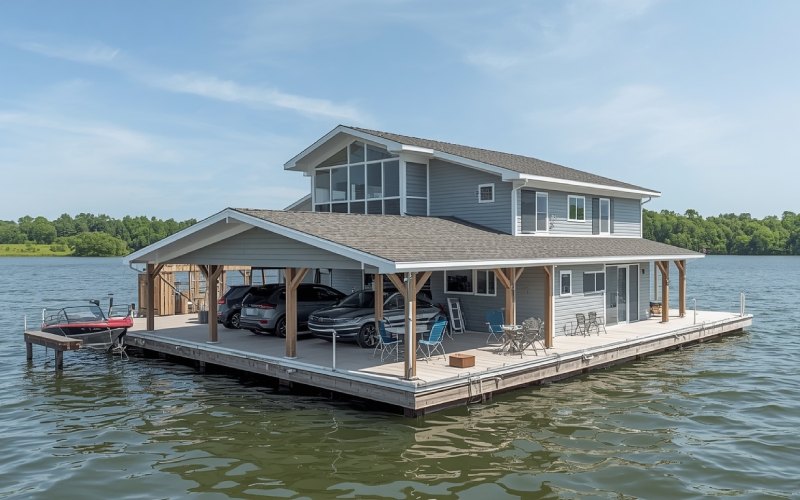
Family lake days involve more than getting a boat in and out of the water. Kids want to swim, adults may prefer fishing or relaxing in the shade, and everyone needs room to move without getting in each other’s way. A well-planned dock can accommodate these activities while keeping boat access convenient and the waterfront comfortable for the whole family.
Give Swimming and Boating Their Own Space
Swimming areas and boat slips serve different purposes, so placing them too close together can create unnecessary hazards. Children jumping into the water near moored boats may encounter propellers, mooring lines, or underwater equipment. A separate swimming platform, positioned away from boat traffic and suitable for the water depth, provides a more practical arrangement. Families should also consider ladders with secure handholds, slip-resistant decking, and clear sightlines for adult supervision. Experienced floating dock builders can help organize these areas without making the entire structure unnecessarily large. A thoughtful layout allows swimmers to enjoy the water while boat owners retain enough room for docking and boarding.
How Much Deck Space Does a Family Actually Need?
Deck size should reflect the activities happening at the same time. A narrow walkway may work for boarding a fishing boat, but it becomes crowded when several family members bring chairs, coolers, and recreational equipment onto the dock. Wider platforms or dedicated seating sections can create space for gathering without blocking access to boat slips.
Available room also depends on how furniture and accessories are arranged. Built-in seating may help keep walkways clear, while compact storage can reduce clutter around boarding areas. However, permanent additions must remain within the dock’s structural load capacity.
Families comparing aluminum boat docks for sale should consider usable deck space rather than overall dimensions alone. A smaller platform with a practical layout may accommodate family activities better than a larger dock with poorly positioned walkways and equipment.
Add Comfortable Places to Fish, Relax, and Enjoy the View
A family dock can provide different recreational areas without requiring every activity to share the same platform. Fishing spots benefit from open edges with enough room for casting, while seating areas work better away from boat traffic and frequently used walkways. Covered sections can offer relief from direct sunlight during long afternoons outdoors. Owners considering aluminum docks should also think about deck surfaces, drainage, and available shade. Darker decking materials may become uncomfortable under strong sunlight, while loose furniture can create obstacles during windy weather. Keeping these details in mind makes the dock more pleasant for children, older relatives, and guests who prefer staying out of the water.
Why Stability and Safe Access Matter During Family Gatherings
Family gatherings create changing loads as people move between seating areas, walkways, and boats. Floating platforms must support these activities without excessive tilting or uneven movement. Proper flotation placement and suitable framing help distribute weight, particularly when several people gather along one side.
An aluminum floating dock follows changing water levels, which can make boarding more convenient throughout the year. However, the gangway must accommodate those changes without becoming too steep or creating awkward transitions between land and water. Safety equipment deserves a designated location as well. Life rings, appropriate flotation devices, and clearly accessible ladders should remain easy to reach. Families should also establish rules about swimming, diving, and boat movement, since a well-designed dock cannot replace active supervision around water.
Plan for Family Activities That May Change Over Time
A dock used mainly for swimming today may eventually need space for paddleboards, fishing equipment, or a larger boat. Designing around realistic future activities can help avoid expensive modifications later. Aluminum boat docks offer different layouts and recreational configurations, but additions still require appropriate structural support and may be subject to local restrictions. Family priorities can also change as children grow older or grandparents spend more time at the waterfront. Convenient walkways, comfortable seating, and flexible gathering areas may prove more useful than features designed around a single activity.
Flotation Systems manufactures custom aluminum dock systems with floating configurations, covered slips, and recreational deck options. Families planning a waterfront space for more than boat storage can consider these designs when deciding how to arrange swimming access, seating areas, and boat slips. A layout that reflects how everyone uses the water can make the dock a more enjoyable part of family life.