
Above Ground Pool Pumps: A Complete Guide to Choosing the Right Pump
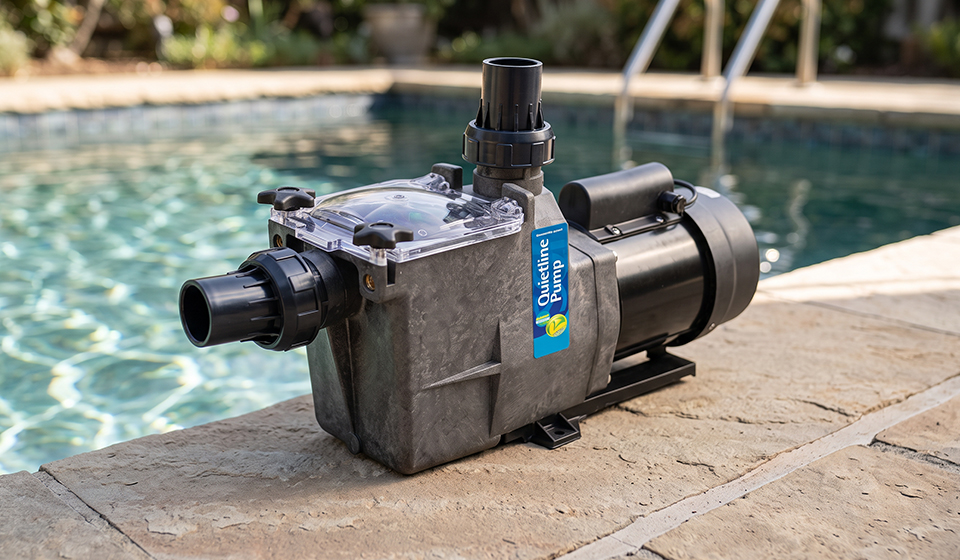
A pool pump plays an important role in keeping an above-ground swimming pool clean, circulating water through the filtration system and helping maintain balanced water quality. Choosing the right above ground pool pump requires more thought than simply selecting the most powerful option available. Pool size, water capacity, flow rate, filter compatibility and energy consumption can all affect how well the system performs. Understanding these factors makes it easier to choose a pump that supports reliable circulation and practical day-to-day maintenance.
Why Does an Above-Ground Pool Need a Pump
Water in an above-ground pool needs regular circulation to prevent it from becoming stagnant. The pump draws water from the pool and sends it through the filtration system, where debris and other unwanted particles are removed before the filtered water returns to the pool.
Good circulation also helps distribute pool chemicals throughout the water. Without adequate movement, some areas may receive less treated water than others, which can contribute to inconsistent water quality.
A properly sized pump therefore supports several important functions:
- Water Circulation: Keeps water moving through the pool system.
- Filtration: Sends water through the filter so suspended debris can be removed.
- Chemical Distribution: Helps spread sanitising products more evenly.
- System Performance: Supports the proper operation of connected pool equipment.
What Should Be Considered When Choosing an Above-Ground Pool Pump?
Pool Size and Water Capacity
Pool size is one of the first factors to consider. A pump that is too small may struggle to provide sufficient circulation, while an oversized model can use more energy than necessary.
Checking the pool’s approximate water capacity provides a useful starting point when comparing suitable pumps.
Flow Rate and Turnover Time
Flow rate refers to the amount of water a pump can move over a set period. Turnover time refers to how long it takes for the pump to circulate the pool’s water through the filtration system.
These two measurements should be considered together. A suitable pump should provide enough flow for the pool without creating excessive pressure within the filtration and plumbing system.
Pump Power and Energy Consumption
A powerful pump is not automatically the best choice. Higher power can mean greater electricity consumption, particularly when the pump operates for several hours each day.
Choosing a pump that is correctly matched to the pool can help avoid unnecessary energy use. Energy-efficient models can also be worth considering for pools that require regular circulation throughout the swimming season.
Compatibility With the Filtration System
The pump and filter need to work as a complete system. If the pump’s flow rate exceeds what the filter or plumbing can comfortably handle, performance may suffer and components can experience additional stress.
Before purchasing a pump, check its compatibility with the existing filter, pipework and other circulation equipment.
How Can the Right Pump Improve Pool Maintenance
The right pump can make regular pool care more manageable. Consistent circulation allows water to pass through the filter at suitable rates, helping remove suspended debris before it accumulates.
Water movement also helps distribute sanitising chemicals throughout the pool. This does not remove the need for testing or cleaning, but it can support a more consistent maintenance routine.
When the pump, filter and plumbing are properly matched, the circulation system can operate within its intended range instead of being pushed beyond its capacity.
Common Mistakes to Avoid When Choosing a Pool Pump
Choosing a pool pump based purely on its advertised power can lead to an unsuitable setup. The pump should be considered alongside the pool’s water capacity, filter and plumbing rather than as an individual component. Some common mistakes include:
- Choosing Excessive Power: A larger pump may consume more energy without providing a practical benefit for a smaller pool.
- Ignoring Flow Requirements: A pump must provide an appropriate flow rate for effective circulation and filtration.
- Overlooking Filter Capacity: The filter must be able to handle the water flow produced by the pump.
- Focusing Only on Purchase Price: A cheaper pump may have higher running costs or may not suit the existing system.
- Neglecting Installation Requirements: Incorrect connections or positioning can affect circulation and equipment performance.
Taking these factors into account can prevent compatibility issues and help create a more balanced pool circulation system.
Why Professional Pool Installation Matters
Pump performance depends partly on how the equipment is installed. Correct connections, suitable plumbing, proper positioning and compatibility with the filtration system all contribute to reliable operation.
For pool owners planning a new system or upgrading existing equipment, working with an experienced pool builder in Bendigo can help ensure the pump is incorporated correctly into the overall pool setup. Professional installation can also reduce the risk of connection problems and help the circulation equipment operate according to its intended specifications.
When each component is appropriately matched, the system can provide consistent water movement and filtration.
Final Thoughts
Choosing the right above-ground pool pump comes down to finding a suitable balance between pool capacity, flow rate, pump power, filtration requirements and energy use. The most powerful pump is not necessarily the most appropriate choice. Instead, the goal should be to select equipment that matches the pool and works effectively with the rest of the circulation system. Taking time to compare specifications before purchasing can help ensure the pump meets the pool’s practical requirements.
Frequently Asked Questions
How long should an above-ground pool pump run each day?
The required operating time depends on factors such as pool size, pump capacity, filtration requirements, weather and how frequently the pool is used.
What size pump is suitable for an above-ground pool?
The appropriate pump size depends on the pool’s water capacity, required flow rate and filtration system. Pump specifications should be compared with the requirements of the complete circulation setup.
How often should an above-ground pool pump be cleaned?
Routine checks should be carried out regularly, particularly around the pump basket and surrounding area. Cleaning frequency depends on debris levels, pool usage and the type of equipment installed.
Why is an above-ground pool pump making unusual noises?
Unusual noises can result from trapped debris, restricted water flow, air entering the system or worn components.
Can a pool pump work with any pool filter?
Not necessarily. Pump flow rate and filter capacity need to be compatible. Using mismatched equipment can affect filtration performance and place unnecessary pressure on the system.