
Self-Service Kiosks in Hospitality Industry
Key Takeaways
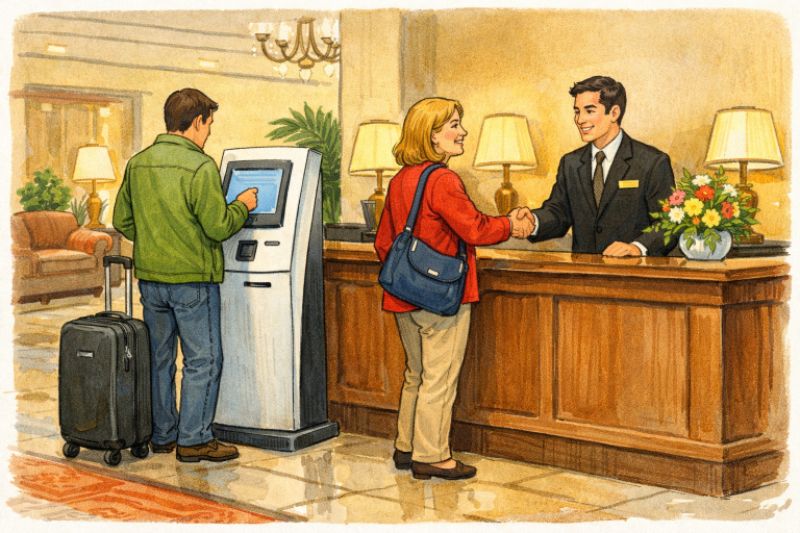
- Self-service kiosks are revolutionizing the hospitality industry by enhancing guest convenience and operational efficiency.
- Major hotel chains are increasingly adopting kiosk-first check-in models to meet evolving traveler preferences.
- Technological advancements are expanding the functionalities of self-service kiosks beyond traditional check-in processes.
Introduction
Across the hospitality sector, self-service technology is dramatically changing the way hotels and resorts interact with guests. Today, many travelers seek not only a comfortable stay but also a streamlined and frictionless arrival experience. As a result, solutions such as kiosks for the hospitality industry are becoming essential components of modern hotel operations, catering to evolving guest demands for speed and independence.
By automating routine tasks and empowering guests to manage their check-ins, check-outs, and service requests, self-service kiosks are fast becoming the norm in hotels of all sizes. With the growing influence of younger, tech-savvy travelers and the pressing need for operational efficiency, hotels increasingly adopt automated tools to remain relevant and competitive in a dynamic market.
As the digital transformation continues to reshape hospitality, understanding the adoption and impact of self-service kiosks is crucial for hoteliers and managers. In this article, we explore how kiosks are being integrated across the industry, the latest technological advancements, and the resulting benefits for both guests and operators. Hotels and hospitality organizations are also looking at best practices in technology implementation to ensure they meet the diverse preferences and expectations of a global audience.
Rising Adoption of Self-Service Kiosks
Recent research shows a marked shift in guest expectations for digital convenience within the travel and hospitality industry. A 2023 industry survey found that 70% of American travelers would rather use an app or a kiosk to check in at a hotel than wait at a traditional front desk. Among Gen Z guests, this preference rises even higher to 82%, highlighting how rapidly digital-first experiences are becoming the standard rather than the exception. These trends demonstrate that self-service technology is no longer just a modern upgrade but a core expectation for many travelers, especially younger demographics who prioritize speed, efficiency, and autonomy during their stay. For hotels, this shift underscores the importance of investing in user-friendly kiosks, mobile check-in options, and integrated digital platforms that streamline the arrival process. By reducing wait times and minimizing friction at check-in, properties can improve guest satisfaction while also allowing staff to focus more on personalized service and hospitality. As competition in the travel industry continues to grow, adopting self-service solutions is becoming a key strategy to enhance operational efficiency and deliver a truly guest-centric experience.
Major Hotel Chains Embracing Kiosk-First Models
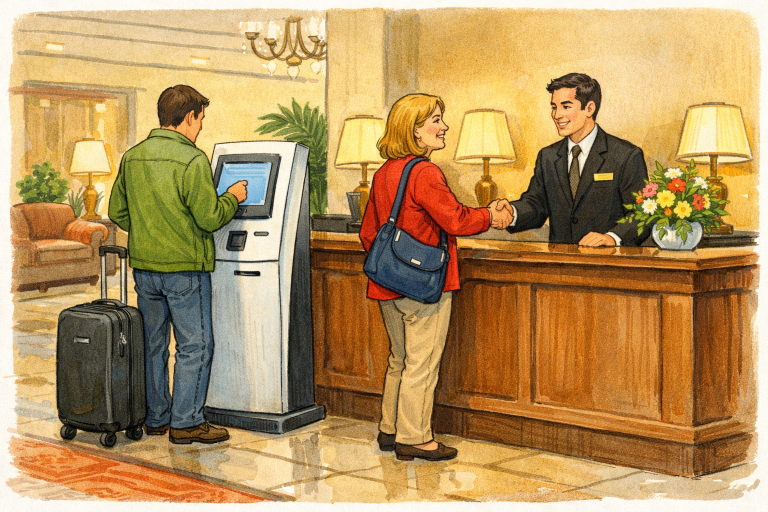
Major international hotel brands are leading the adoption of kiosk-first and mobile guest experiences. Hilton, for example, has rolled out its Digital Key concept, allowing guests to skip traditional check-in processes and go straight to their rooms with a digital room key accessed through their mobile devices. Marriott International is also driving innovation through its Bonvoy app, which not only simplifies check-in but also provides mobile key functionality and a variety of personalized options once a guest arrives. These forward-thinking approaches are being emulated throughout the industry, reinforcing the move toward automation, guest autonomy, and increased satisfaction.
Technological Advancements Enhancing Kiosk Functionalities
The capabilities of modern hospitality kiosks are expanding significantly. These systems now offer much more than just basic arrival and departure functions. Advanced features include personalized room selection, in-room service requests, local recommendations, and mobile wallet payments. Some kiosks use biometric identity verification to enhance security and speed up guest interactions. The integration of artificial intelligence and cloud-based management systems also enables hotels to analyze guest behavior, anticipate preferences, and optimize service delivery to achieve maximum guest satisfaction. According to PhocusWire, the integration of these cutting-edge features has set a new standard for contactless, customized service across hospitality, delivering essential benefits for both guests and operators.
Operational Benefits for Hotels
For hotels, adopting self-service kiosks results in tangible returns. One of the most immediate benefits is a reduction in labor costs, as automated check-in and check-out processes allow front desk staff to focus on more complex, personalized guest interactions. Kiosks also increase overall efficiency by reducing wait times at peak periods and processing transactions faster. Many systems are designed to upsell and promote premium amenities during the self-service flow, helping hotels drive incremental revenue without added labor. Some properties report returns on investment of over 250 percent, thanks to improved operational performance and higher guest spend enabled by kiosks.
Balancing Technology with Personalized Service
While self-service kiosks streamline operations, not all guests prefer digital interactions. Luxury and boutique hotels, in particular, must strike a balance by ensuring that personal touch and individualized service remain readily available. The best approach is offering guests a choice: those who want a swift, automated experience can use the kiosks, while others can access attentive, in-person service at the front desk. This blended strategy ensures that technology enhances, rather than replaces, the guest experience for everyone.
Future Outlook
The future of self-service kiosks in hospitality looks bright, with ongoing innovation shaping even more flexible, guest-friendly interactions. We can expect continued integration of smart technologies, such as voice interaction and AI-driven suggestions, as well as the further expansion of contactless and touchless solutions. For hotels willing to adapt, staying ahead of guest technology trends is key to standing out in a crowded market and building lasting loyalty.
Conclusion
Self-service kiosks are driving a fundamental transformation in hospitality, delivering significant value both to guests and operators. By embracing digital convenience while remaining attentive to personalized service, hotels can set new standards for efficiency, satisfaction, and competitive differentiation in the years ahead.